
For over two decades, traditional Search Engine Optimization (SEO) has shaped the digital visibility of hotels and travel brands. From keyword-rich website content to backlinks and metadata, marketers have meticulously optimized their properties to rank on Google’s first page. But the rules are changing—fast.
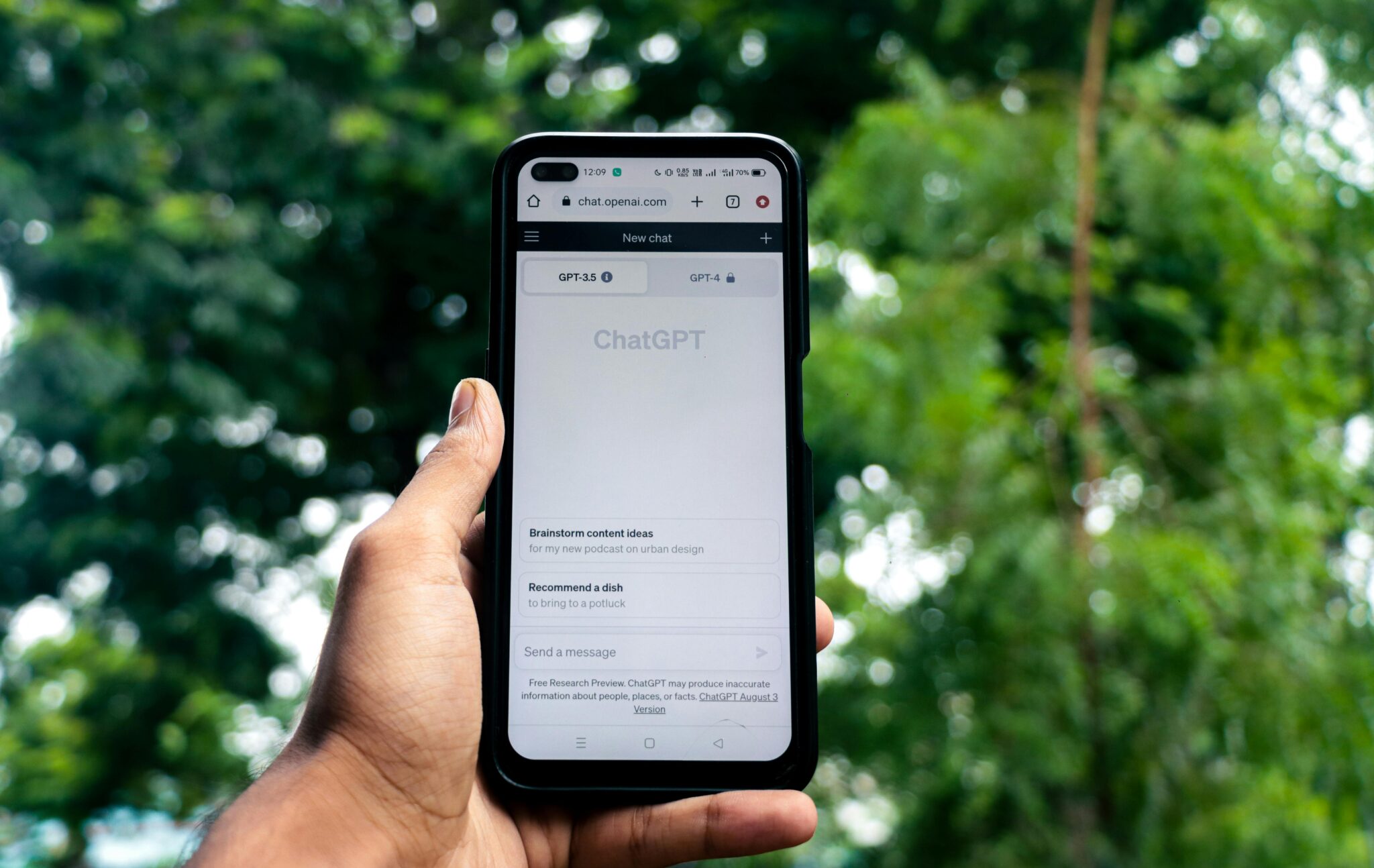
AI, particularly generative AI like ChatGPT and Google’s Gemini, is fundamentally reshaping how travelers search, find, and book hotels. The rise of AI-powered search and conversational assistants is no longer theoretical; it’s here, and it’s redefining the guest journey.
Let’s explore how AI is disrupting traditional search, what that means for hotel marketers, and how to adapt in this new era.
The Shift: From Keyword Queries to Conversational Discovery
Traditionally, a traveler might have typed into Google:
“Best boutique hotels in Charleston SC with rooftop bar.”
Google would return a list of organic results, ads, and map listings based on keyword relevance, authority, and user behavior. SEO strategies focused on optimizing websites for those specific queries—h1 tags, on-page copy, backlinks, mobile speed, and so on.
Now, with tools like ChatGPT, Bing Copilot, and Google’s Search Generative Experience (SGE), a traveler can ask:
“Can you help me plan a 3-day trip to Charleston with a stay in a boutique hotel near the historic district and a great rooftop bar?”
Instead of sending them to ten blue links, the AI might return a conversational summary with 2–3 hotel suggestions, curated based on aggregated reviews, content, pricing, availability, and even sentiment. It might bypass websites entirely by offering recommendations, booking links, and itineraries right inside the AI interface.
Key difference: Traditional SEO optimized for Google, while AI-driven search optimizes for the user’s intent. The emphasis is shifting from ranking for keywords to being selected by AI systems as the most relevant and trustworthy source.
How AI Is Changing Hotel Search Behavior
1. Answer-first interfaces
Generative AI generates a direct answer rather than presenting a list of websites. For hotels, this means your website might never be clicked, even if you’re mentioned.
2. Multimodal search
AI can handle image inputs, voice prompts, and map-based queries. A traveler might upload a photo of a resort they liked and ask for similar properties. Traditional SEO isn’t built for this kind of interaction.
3. Personalization at scale
AI tools remember preferences and tailor future suggestions. This makes search more fluid, but also more exclusionary. If your hotel isn’t feeding the AI systems the right signals, you may be left out.
4. De-prioritization of ads and organic listings
Google’s SGE pushes traditional organic results further down the page. Ads still appear, but they’re now competing with an AI-generated overview that often satisfies the query before a user ever scrolls.
So, What Should Hotel Marketers Do?
1. Think Like a Dataset, Not Just a Website
AI systems don’t just pull from your hotel website—they learn from the entire digital ecosystem. While independent hotels have the flexibility to optimize their websites with structured data and custom content, branded properties face more limitations. If your hotel is part of a major chain, shift your focus to areas you can influence:
- Fully complete and optimize your Google Business Profile and OTA listings, including rich media, amenity tags, and guest Q&A.
- Encourage fresh, high-quality reviews on public platforms.
- Coordinate with your brand team to ensure your hotel’s story and value proposition are clearly represented on corporate content hubs.
2. Structure Your Content for Machines
Structured data (Schema markup) helps AI understand what your content means, not just what it says.
- Use structured data for amenities, room types, pricing, and FAQs if you’re an independent hotel.
- For branded properties, explore corporate opportunities to submit structured content through additional property landing pages or corporate blog features.
3. Create Content That Solves Real Problems
Forget stuffing in keywords. AI rewards clear, helpful content.
- Write destination guides, how to make the most of their stay, or your “insider tips” on area attractions.
- Address niche traveler needs like “pet-friendly stays near hiking trails” or “romantic getaways within 3 hours of Atlanta.” Helpful content builds authority with both guests as well as the AI algorithms interpreting your digital footprint.
4. Test and Diversify Paid Strategies
AI is beginning to change how travelers engage with paid search, but that doesn’t mean PPC is obsolete. It’s still a valuable driver of direct bookings, especially for high-intent, brand-name searches. However, expect shifts in performance as generative AI takes over more search real estate. Hotel marketers should:
- Monitor changes in PPC cost-per-click and conversion rates, especially for generic and destination-based queries.
- Experiment with metasearch marketing, where travelers are still comparison shopping.
- Start exploring AI-integrated placements (like Microsoft’s sponsored listings in Copilot) as they become available.
- Invest in first-party channels like email, SMS, and loyalty programs, where you control the conversation.
The takeaway: Don’t give up on PPC—but be ready to adapt as AI redefines how (and where) ads appear.
What Happens to Google’s Ad Revenue?
That’s the billion-dollar question.
As generative AI reduces clicks on ads and organic results, Google and other platforms will need to adapt. Here’s what we’re likely to see:
1. Sponsored Answers
Ads will appear inside the AI-generated responses—subtly embedded but clearly marked. Think: “Recommended by Google Ads” within a travel itinerary.
2. Pay-to-Play in AI Results
Google may prioritize brands that participate in its advertising ecosystem (Hotel Ads, Performance Max, etc.) when training its models or delivering suggestions.
3. New Ad Formats
Expect new placements in Gmail, Maps, Discover, and YouTube—channels still untouched by AI disruption.
4. Premium Visibility for Verified Content
Google could offer verified listings or “trusted sources” badges as a monetization model—hotels may need to pay to ensure inclusion in AI summaries.
Final Thought: Don’t Panic—Adapt
Yes, AI is changing search. But it’s not eliminating opportunity; it’s shifting where and how that opportunity is captured.
For hotel marketers, the winning formula is clear: Optimize your presence for AI visibility, not just search rankings. Focus on helpful content, structured data, omnichannel presence, and a deep understanding of your guests’ intent.
Those who embrace this shift early will not just survive—they’ll thrive in the AI-powered travel economy.
About This Blog
This blog was written with the help of ChatGPT, an advanced language model developed by OpenAI. It was generated using a custom prompt designed to reflect expert insights at the intersection of digital marketing, AI, and hotel travel search. The final content has been reviewed and lightly edited by the team at TCRM for clarity and relevance.