
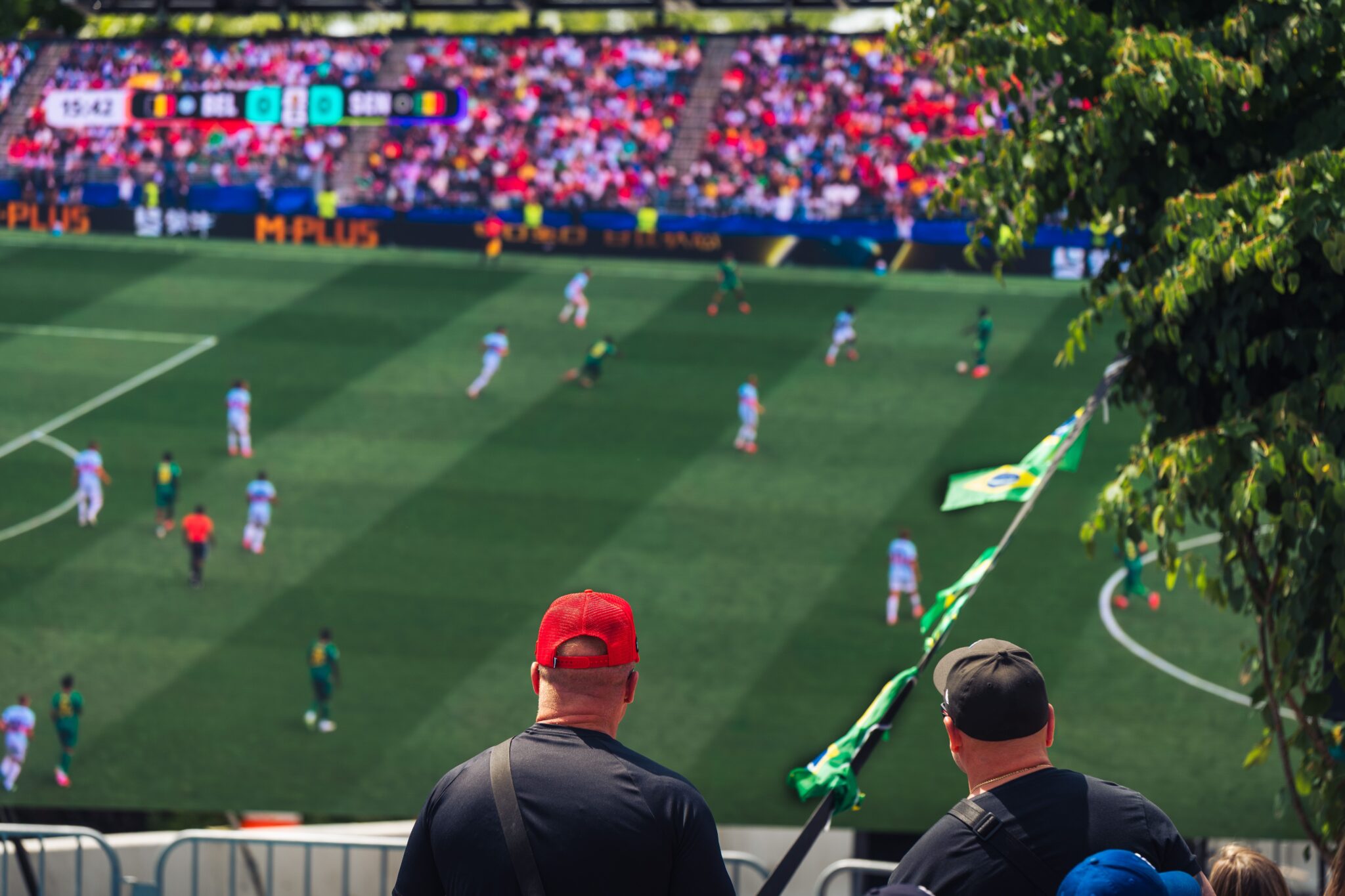
When the final whistle blew on the 2026 FIFA World Cup, most of the hospitality industry turned its attention to celebrating strong ADR, record-setting nights, and the excitement of hosting one of the world’s largest sporting events.
But for revenue managers, the real work is only beginning.
As hotels begin budgeting for next year and reviewing weekly STR reports in 2027, they will face a challenge unrelated to poor strategy or weakening demand. Instead, they’ll be comparing performance against one of the strongest event-driven periods many markets have ever experienced.
The question is no longer, “How did we perform during the World Cup?”
The better question is:
“How do we keep next year’s performance from looking artificially weak?”
Lesson One: Higher Rates Didn’t Always Mean Higher Demand
Leading up to the tournament, many expected host markets to experience extraordinary occupancy gains alongside record room rates. The reality proved to be more nuanced.
CoStar’s analysis found that many host markets experienced impressive RevPAR growth driven primarily by ADR increases, while occupancy often remained flat or even declined. In many cases, hotels successfully pushed rates higher, but traditional business travel and leisure demand was displaced rather than supplemented. Match days generated exceptional performance, while many shoulder nights failed to produce the same level of demand.
That distinction matters.
If your hotel achieved record ADR due to World Cup demand rather than sustained market growth, next year’s comparisons may appear significantly weaker, even if your revenue strategy is sound.
Lesson Two: STR Doesn’t Know There Was a World Cup
STR reports don’t include footnotes. They don’t recognize that a market hosted a once-in-a-generation sporting event. They simply compare this year against last year.
As a result, many hotels may see year-over-year declines in ADR, RevPAR, occupancy, and even index performance during the same weeks next summer. Those declines won’t necessarily indicate deteriorating business. They may simply reflect an unusually difficult comparison period.
Without proper context, owners and asset managers could misinterpret normal performance as underperformance.
Lesson Three: Don’t Chase Last Year’s ADR
One of the biggest mistakes hotels can make in 2027 is attempting to recreate World Cup pricing. Extraordinary events create extraordinary demand. Once that demand disappears, attempting to defend last year’s peak rates can suppress occupancy, reduce market share, and ultimately hurt RevPAR.
Revenue management is about pricing for today’s demand, not yesterday’s extraordinary circumstances.
The market will tell you where rates belong. Listen to it.
Six Ways to Manage Year-Over-Year Comparisons Following a Major Event
1. Normalize Your Budget Now
Don’t build next year’s budget around World Cup performance—or the performance of any extraordinary event. Instead, develop forecasts using normalized demand patterns and, whenever possible, remove the distortion caused by event-driven pricing. Creating an internal “normalized” benchmark can provide ownership with a much more realistic expectation of future performance.
2. Reevaluate Historical Pace
Booking pace from June and July 2026 is unlikely to represent a typical year. Rather than relying solely on last year’s pickup reports, compare current booking trends against multiple historical years to understand whether demand is truly soft or simply returning to normal.
3. Present Multiple Performance Comparisons
When sharing results with ownership or asset managers, don’t rely exclusively on year-over-year comparisons.
Include additional perspectives such as:
- Performance versus 2025
- Performance versus a three-year average
- Performance against your competitive set
These comparisons provide a much more balanced view of how the hotel is actually performing.
4. Let Current Market Conditions Drive Pricing
The compression created by a special event like the World Cup won’t exist next year. Competitors will likely behave differently, and market pricing may become considerably more competitive.
Instead of anchoring to last year’s ADR or occupancy, monitor real-time demand, competitor positioning, booking pace, and market compression to determine the appropriate pricing strategy.
5. Focus on Market Share, Not Just Rate
Protecting last year’s ADR at all costs can become an expensive mistake. A slightly lower ADR, combined with stronger occupancy and an improved RevPAR Index, often represents a healthier long-term strategy than defending an unsustainable rate position while sacrificing demand.
Revenue managers should remain focused on maximizing total revenue, not simply preserving a headline ADR.
6. Prepare Ownership Before the Reports Arrive
Perhaps the most valuable thing a revenue manager can do over the next several months is educate stakeholders before the comparisons begin. Owners, investors, and management companies should understand that next summer’s year-over-year variances will be measured against an extraordinary event that may not be repeated for decades.
Setting expectations today helps avoid unnecessary concern tomorrow.
One More Recommendation: Stop Overreacting to Weekly STR Reports
One lesson that deserves additional attention has nothing to do with pricing. It has to do with calendar comparisons.
The World Cup schedule created unique demand patterns based on match dates, host cities, and day-of-week timing. Those patterns won’t repeat in 2027. Even if next year’s calendar aligns similarly, the absence of tournament demand means daily and weekly STR comparisons may paint an incomplete—or even misleading—picture.
Rather than reacting to every negative weekly variance, revenue leaders should evaluate broader trends using monthly results or rolling 28-day performance windows. Looking at performance over a longer period reduces the noise from event timing and yields a more accurate assessment of market share and revenue strategy.
Weekly reports are valuable tactical tools. They shouldn’t become the sole measure of strategic success.
Final Thoughts
The 2026 FIFA World Cup reinforced an important lesson for revenue managers: extraordinary events don’t create extraordinary results for every hotel.
Some properties enjoyed record ADR. Others experienced displaced business demand. Many benefited from strong compression on match nights while seeing little improvement before or after the games. CoStar’s analysis showed that the tournament’s gains were largely driven by higher room rates rather than widespread occupancy growth across host markets.
As the industry prepares for 2027, success won’t be measured by matching World Cup performance. Instead, successful hotels will recognize that extraordinary events create extraordinary comparison years. They’ll adjust expectations accordingly and evaluate performance against normalized demand rather than a once-in-a-generation benchmark.
That’s not lowering the bar. That’s practicing sound revenue management.