
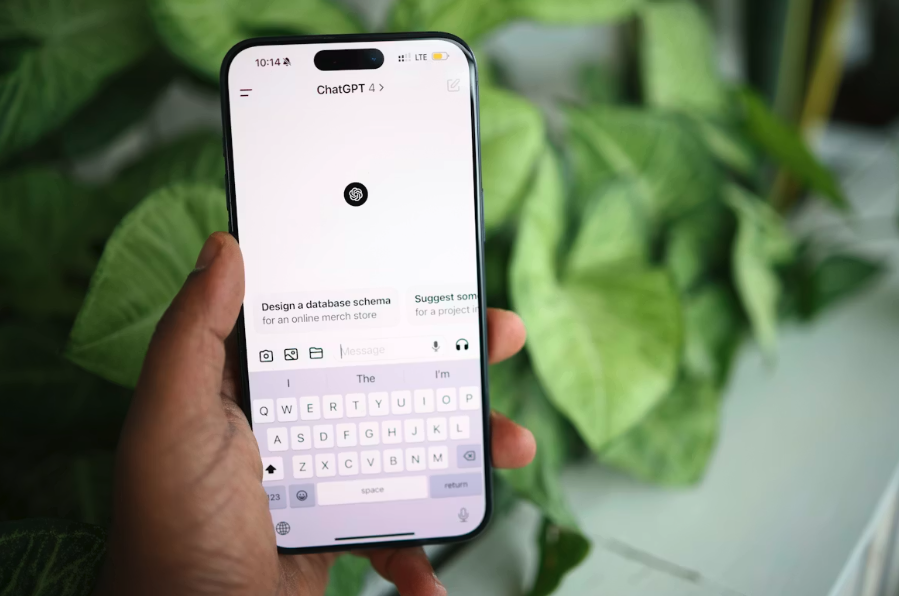
For years, hotels have been told to focus on Search Engine Optimization (SEO): optimize their websites, improve page speed, publish blog posts, rank higher on Google, and capture demand. That advice wasn’t wrong. But the way travelers search, research, and make decisions is changing—and that change is happening fast. AI is revolutionizing search, and SEO alone is no longer enough.
Enter Generative Engine Optimization (GEO).
If SEO is about being found in search results, GEO is about being referenced, summarized, and recommended by AI-driven tools like ChatGPT, Google’s AI Overviews, Perplexity, and other generative search experiences. These tools don’t just list links—they answer questions directly. And increasingly, travelers are trusting those answers.
That shift matters for hotels. A lot.
What Is GEO (and How Is It Different from SEO)?
Traditional SEO is built around keywords, rankings, and clicks. A traveler searches “boutique hotel near downtown Charleston,” scans results, clicks a few links, and eventually books—hopefully through your direct channel. GEO works differently.
With generative search, travelers might ask:
- “What’s the best boutique hotel in historic Charleston for a long weekend?”
- “Which hotels in Sedona are good for couples but not overly expensive?”
- “Where should I stay near Churchill Downs for the Kentucky Derby?”
Instead of returning ten blue links, the AI responds with a human-like answer. It often names specific hotels, describing why they’re a good fit, and sometimes skipping links entirely. That synthesized answer is shaped by what the AI can understand, verify, and trust across the internet.
With GEO, you’re no longer optimizing just for an algorithm. You’re optimizing for how machines interpret your hotel’s story: who you’re for, what you offer, and when you’re the right recommendation. The context becomes more relatable.
Why GEO Matters Now
This isn’t a future trend—it’s already happening. It’s highly likely you’ve experienced it yourself. You’ve probably asked a question, received an AI-generated answer, and then followed up with another question, essentially having a conversation with a tool like ChatGPT or Google Gemini. We all have.
The point is simple: this is happening now, and hoteliers need to make it a focus. Why?
- Google is rolling out AI Overviews more aggressively.
- Travelers are using ChatGPT and similar tools for trip planning.
- OTAs like Expedia and Booking.com have integrated apps inside ChatGPT to help users plan and book travel.
- Younger travelers—especially Gen Z and Millennials—are comfortable skipping traditional search altogether. Gen Z in particular is digitally native and increasingly influential in travel decision-making.
- AI pulls from reviews, third-party sites, structured content, FAQs, and authoritative mentions—not just your website. Think of it as a filtered aggregator of information.
If your hotel isn’t clearly and consistently described across those sources, you risk being invisible in AI-generated answers—even if your SEO is solid. In other words, ranking well no longer guarantees being recommended.
What Hotels Can Do Today (Without Rebuilding Everything)
The good news? Creating a strategy that balances GEO and SEO doesn’t require a massive technical overhaul. It requires clarity, consistency, and intent. Here are a few practical starting points.
1. Get Clear on Your Positioning and Say It Everywhere
AI tools look for consensus. If your website says one thing, your OTA listings say another, and guest reviews suggest something else, AI gets confused.
Ask yourself:
- Who is this hotel really for?
- What makes it distinct?
- What types of travelers does it serve best?
Then make sure that story is consistent across:
- Your website
- OTA descriptions
- Google Business Profile
- Tripadvisor and Yelp
- Your About pages and FAQs
- Blogs and press mentions
The more consistent your story is across various channels and sources, the more likely AI engines will trust the information.
2. Write for Questions, Not Keywords
GEO favors content that answers real questions clearly. The good news? This doesn’t break SEO; it strengthens it.
Instead of blog titles like “Top Things to Do in Asheville,” consider:
- “Is Asheville a good weekend getaway?”
- “Where should couples stay in Asheville?”
- “What’s the best time of year to visit Asheville?”
Those questions naturally contain keywords, but they also mirror how people—and AI—search. Write clear, direct answers, and you help both SEO and GEO at the same time.
3. Take Reviews Seriously (They Matter More Than Ever)
Guest reviews have mattered for a long time. But now with AI, generative tools rely heavily on reviews to understand sentiment and fit.
Patterns matter:
- “Great for families”
- “Quiet and romantic”
- “Perfect for game weekends”
- “Walkable to everything”
- “Safe neighborhood”
Encourage detailed reviews from your guests and respond to them thoughtfully. You’re not just talking to your past (and potentially future) guests. You’re also training the machines.
4. Strengthen Your Third-Party Presence
Yes, this one can be uncomfortable. Hoteliers want more direct bookings (and generative search can help with that, too). But AI doesn’t rely solely on your website. It pulls from:
- OTAs
- Travel blogs
- Local guides
- Media mentions
Outdated descriptions, missing amenities, or sloppy content elsewhere can undermine your GEO visibility, even if your own site is polished. In many cases, bringing in professional help to clean up and manage this content is a smart investment.
5. Use Plain Language
This one’s simple: clarity beats cleverness. Flowery marketing copy, vague brand promises, and buzzwords don’t help machines (or travelers) understand you. Be specific. Be human. Say what you are, what you do, and who you’re for.
The Bottom Line
GEO is reshaping how people search. SEO still matters, but it’s no longer the only game in town. With the largest generational groups increasingly using AI tools for dining and travel inspiration, savvy hoteliers need to recognize the shift in how travelers discover hotels and make decisions.
Hotels that clearly define their value proposition, communicate it consistently, and answer real traveler questions will be the ones AI tools trust and recommend. The ones that don’t may still rank… but quietly disappear from the conversation.
And in a world where the answer often comes before the click, being part of that conversation is everything.